Classic Cambodia: Capital, Temples & Kampot
Overview: A seven-day, six-night journey linking Cambodia’s capital, the monuments of Angkor and Kampot’s river-and-pepper landscape. The route is rewarding but…
Overview: A seven-day, six-night journey linking Cambodia’s capital, the monuments of Angkor and Kampot’s river-and-pepper landscape. The route is rewarding but fairly active; using a domestic flight or well-timed private transfer can reduce long road days.
Day 1 — Arrive in Phnom Penh: Settle into your hotel and keep the first day light. Walk the riverfront near the confluence of the Mekong and Tonle Sap, visit Wat Phnom if time allows, and enjoy an introduction to Khmer cuisine. A sunset river cruise is optional and should be booked with a reputable operator.
Day 2 — Royal heritage and modern history: Begin at the Royal Palace and Silver Pagoda area, subject to official opening arrangements, then visit the National Museum for Khmer sculpture and artistic context before Angkor. Allow time for lunch and the city’s cafés, markets or colonial-era streets.
Travellers wishing to understand Cambodia’s recent history may visit the Tuol Sleng Genocide Museum and the Choeung Ek Genocidal Center. These are places of remembrance, not entertainment; dress and behave respectfully, avoid intrusive photography and consider splitting the visits if the material feels emotionally demanding.
Day 3 — Phnom Penh to Siem Reap: Travel by domestic flight, scheduled bus or private vehicle. Overland travel takes much of the day, so avoid adding major sightseeing. After check-in, explore Siem Reap’s riverfront, Old Market area or a cultural performance, and prepare temple tickets, transport and an early start for the next morning.
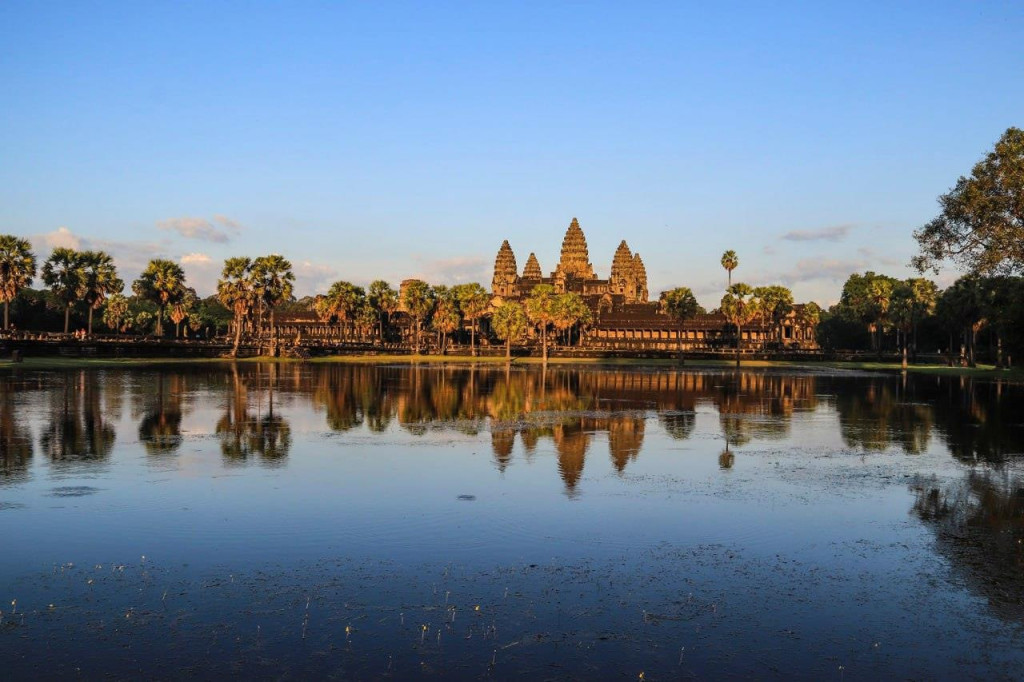
Day 4 — The Angkor highlights: Start at Angkor Wat, then continue through Angkor Thom to Bayon, the Terrace of the Elephants and the Terrace of the Leper King. After a midday break, visit Ta Prohm and, if time permits, a quieter nearby temple. A licensed guide adds valuable historical and religious context to the architecture and bas-reliefs.
Day 5 — Banteay Srei and the wider Angkor landscape: Travel into the countryside to Banteay Srei, celebrated for detailed sandstone carving. Combine it with one or two complementary stops—such as Preah Khan, East Mebon or Pre Rup—rather than rushing through too many monuments. A responsible craft workshop, cooking class or village-based activity can provide insight into contemporary life around Siem Reap.
Day 6 — Siem Reap to Kampot: This is the itinerary’s longest repositioning day. The most comfortable option is usually to fly to Phnom Penh and continue by road, while a direct overland journey requires an early start and patience. Check in beside the Kampot River, walk through the old town and enjoy a relaxed riverside evening.
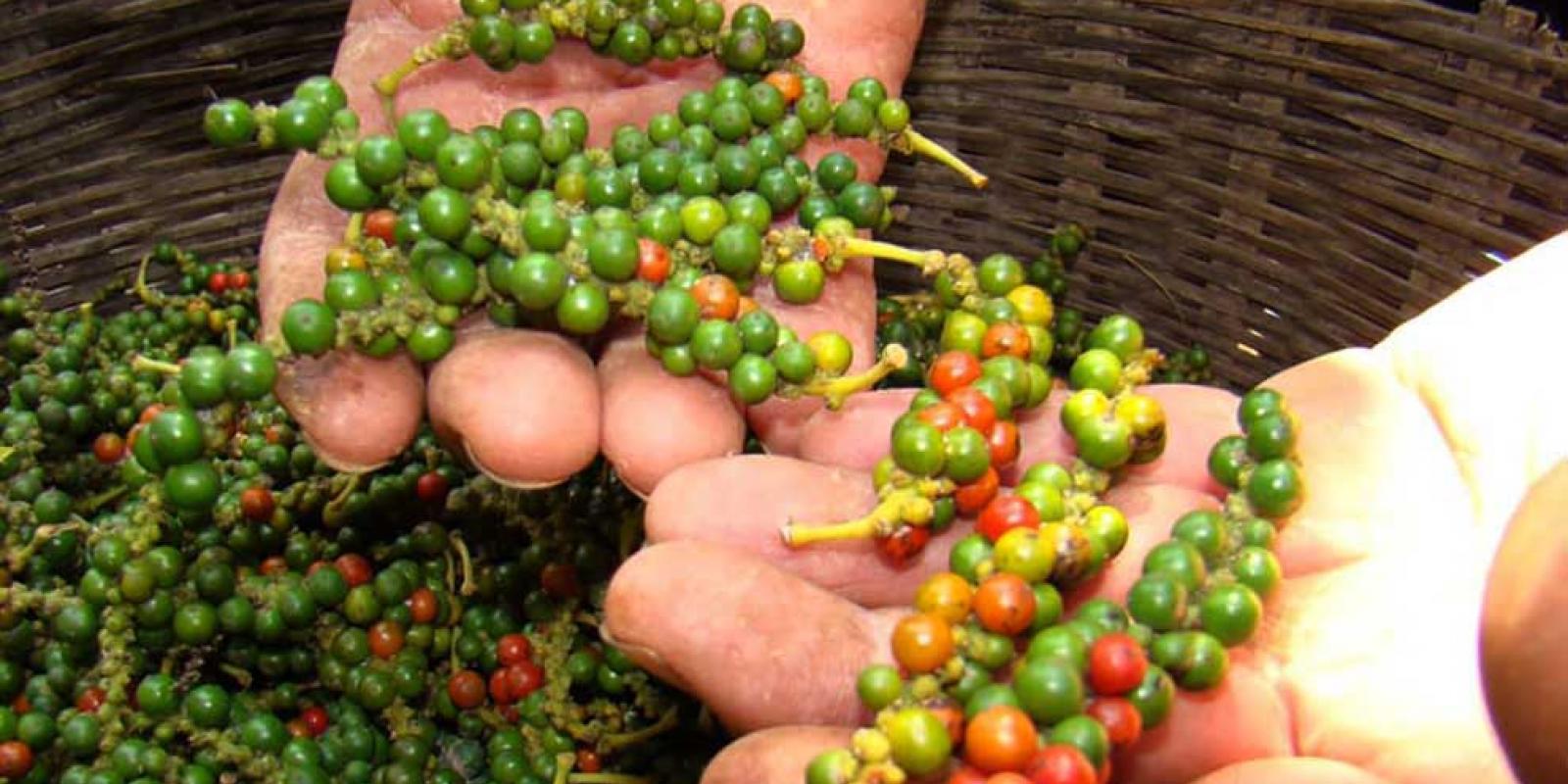
Day 7 — Kampot pepper country and departure: Visit a working pepper farm to learn how Kampot pepper is cultivated, harvested and graded. With sufficient onward-travel time, add Kep’s seafront and market, salt fields in the dry season or a short countryside stop. Otherwise, keep the morning simple and continue to Phnom Penh, Sihanoukville or your next destination.
Transport and timing: Road and flight schedules change, and travel can slow during holidays or heavy rain. Do not place an international departure immediately after the long Siem Reap–Kampot transfer. If you want a slower holiday, add one night in Kampot or Phnom Penh.
Responsible travel: Use licensed guides where required, buy directly from credible producers and community enterprises, and ask before photographing people. At temples, cover shoulders and knees, carry refillable water and respect barriers protecting archaeological remains.
Best for: Travellers who want Cambodia’s major historical landmarks plus food, river scenery and rural experiences, and who are comfortable changing hotels several times.