Food & Local Dishes
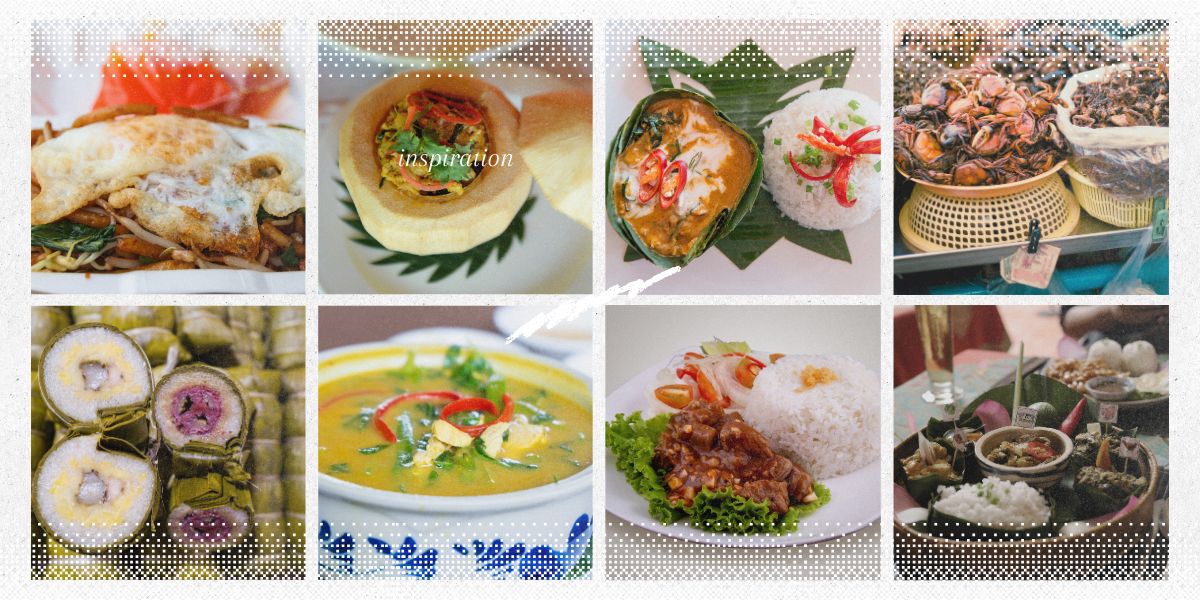
Khmer food is fragrant and balanced rather than fiery, drawing on lemongrass, galangal, kaffir lime and prahok. Markets, family restaurants and busy street stalls are some of the best places to discover Cambodia’s everyday flavours.
Cambodian food is shaped by rivers, rice fields, tropical gardens and generations of home cooking. Khmer flavours are often aromatic and balanced rather than intensely hot, using lemongrass, galangal, turmeric, kaffir lime, coconut, palm sugar, fresh herbs and fermented ingredients. The most memorable meals may come from a market breakfast, a family-run restaurant or a simple roadside stall. Approach the cuisine with curiosity, order several dishes to share and leave room for regional specialities.
How Khmer meals are enjoyed
Rice is central to everyday eating, usually accompanied by a soup, grilled or stir-fried dish, vegetables and a dipping sauce. Shared plates allow diners to balance rich, sour, salty and fresh flavours in one meal. Spoon and fork are standard for rice dishes, while chopsticks accompany many noodles. Follow the pace of the table, take modest portions and use serving utensils when provided.
Breakfast is an excellent introduction because many foods that visitors consider lunch are eaten early. Markets become active near dawn, and popular noodle or rice stalls can sell out before late morning. Choose a busy vendor with steady turnover and watch how local customers order. For more ideas beyond this guide, explore IntoCambodia’s Cambodian street-food article.
Fish amok and coconut curries
Fish amok is Cambodia’s best-known dish: fish is coated in a fragrant kroeung spice paste and coconut mixture, then traditionally steamed until soft, often in a banana-leaf cup. Restaurant versions vary from delicate custards to looser curries. The dish should highlight herbs and fish rather than overwhelming sweetness. Chicken or vegetarian interpretations exist, but asking about fish sauce and fermented paste is important for strict dietary needs.
Khmer red curry is generally milder than many neighbouring curries. It may combine meat, coconut milk, potatoes, vegetables and bread or rice. Curries appear at celebrations as well as ordinary restaurants. Regional and family recipes differ, so trying the same named dish in two places can reveal very different balances of spice and sweetness.
Noodles and breakfast favourites
Kuy teav is a clear, savoury noodle soup commonly eaten for breakfast. Rice noodles arrive with pork, beef or seafood, herbs, lime and optional condiments. Num banh chok, sometimes called Khmer noodles, pairs soft rice noodles with a fish-based green curry, vegetables and herbs. Vendors often prepare components early, making freshness and a busy morning crowd useful signals.
Bai sach chrouk combines thin grilled pork with broken rice, pickled vegetables and a light broth. Smoke from charcoal gives the pork its characteristic aroma. Portions are modest, affordable and widely available in the morning. Ask for a fried egg if desired and add condiments gradually, tasting the cook’s intended balance first.
Beef lok lak, grills and shared dishes
Beef lok lak features quickly seared beef, onions and a sharp lime-and-black-pepper dipping sauce. Kampot pepper adds floral heat without dominating the dish. Grilled chicken, fish and skewers are also common at markets and casual restaurants. When ordering whole fish, confirm whether the listed price is per portion or by weight.
Soups such as samlor machu bring sour notes from tamarind, lime or other local ingredients. Stir-fried morning glory, green mango salad and fresh herb plates add brightness to richer dishes. Prahok, a fermented fish paste, gives depth to many recipes; its strength varies, and trying a small amount first is perfectly reasonable.
Street food and market etiquette
Street food is part of daily life, not merely a tourist attraction. Visit markets with patience, avoid blocking narrow aisles and ask before close-up photography. Pointing, smiling and learning simple Khmer food words can make ordering easier. Carry small Cambodian riel notes, clarify the price before eating when it is not displayed and return reusable bowls or utensils to the correct stall.
Choose cooked food served hot, fruit peeled in front of you and stalls with clean work surfaces and good turnover. Drink sealed or properly filtered water, and use judgement with ice in remote places. Travellers with allergies should carry a translated card naming the ingredient and explaining the severity; phrases such as “no peanuts” may not cover sauces, stocks or shared cooking oil.
Vegetarian, vegan and dietary needs
Vegetable dishes are widely available, but fish sauce, oyster sauce, broth and prahok may be used even when no meat is visible. Explain the requirement clearly and ask about the base seasoning. Buddhist vegetarian restaurants and tourist-focused cafés can be easier for strict diets, while market meals may require flexibility. Gluten-free travellers should still ask about soy sauce and packaged seasonings.
Cooking classes are valuable because an instructor can explain hidden ingredients and substitutions. Many begin with a market visit and introduce kroeung preparation, amok, salads or desserts. Choose a class that credits local cooks, uses seasonal produce and keeps group sizes manageable. Find bookable cultural activities on our Cambodia experiences page.
Fruit, sweets and drinks
Cambodia’s fruit changes with the season. Mango, mangosteen, rambutan, longan, dragon fruit, jackfruit and durian appear in markets at different times. Ask vendors to choose ripe fruit for the day you plan to eat it. Fresh coconut water and pressed sugarcane juice are refreshing, while iced coffee with condensed milk provides a strong, sweet start to the morning.
Traditional sweets often use sticky rice, coconut, banana, mung bean and palm sugar. Num ansom packages sticky rice and fillings in banana leaves, especially around festivals. Kampong Speu palm sugar is prized for its rounded caramel flavour and appears in desserts, sauces and drinks. Treat packaged “traditional” products as souvenirs only when their ingredients, origin and storage are clear.
Regional tastes to seek out
Kampot is closely associated with internationally recognised pepper and excellent seafood, while Kep is famous for crab served with pepper sauce. Battambang’s agricultural surroundings support fruit, rice products and relaxed local dining. Around Tonlé Sap, freshwater fish is central to many recipes. Phnom Penh offers the widest mix of regional Khmer food, historic cafés and contemporary chefs reinterpreting familiar dishes.
Siem Reap has everything from dawn markets to polished tasting menus. Look beyond the busiest tourist streets and support locally owned kitchens. Combine dining with nearby attractions using our attractions guide, or organise a broader route through the Cambodia planning page.
Responsible food travel
Choose businesses that source locally, reduce single-use plastic and explain how producers are paid. Refill water bottles when safe stations are available, carry a reusable bag and decline unnecessary straws or cutlery. At community visits, food should be part of a respectful exchange rather than a staged display of poverty or private family life.
A simple first-day food plan
Begin with kuy teav or bai sach chrouk at a busy breakfast stall. Try a market fruit or fresh coconut during the morning, share amok, vegetables and rice for lunch, and finish with grilled food or a sour soup in the evening. Add one cooking class or guided food walk later in the trip. By tasting gradually across several regions, travellers discover that Khmer cuisine is not one famous dish but a generous, varied expression of Cambodia itself.
Start with fish amok, kuy teav noodle soup, peppery beef lok lak, num pang baguette sandwiches and bai sach chrouk grilled pork with rice. Fresh sugarcane juice, coconut water, seasonal mango, rambutan and mangosteen make refreshing accompaniments.
Choose busy stalls with high turnover, try a market-to-table cooking class, and look for two prized Cambodian ingredients: Kampot pepper and Kampong Speu palm sugar.